
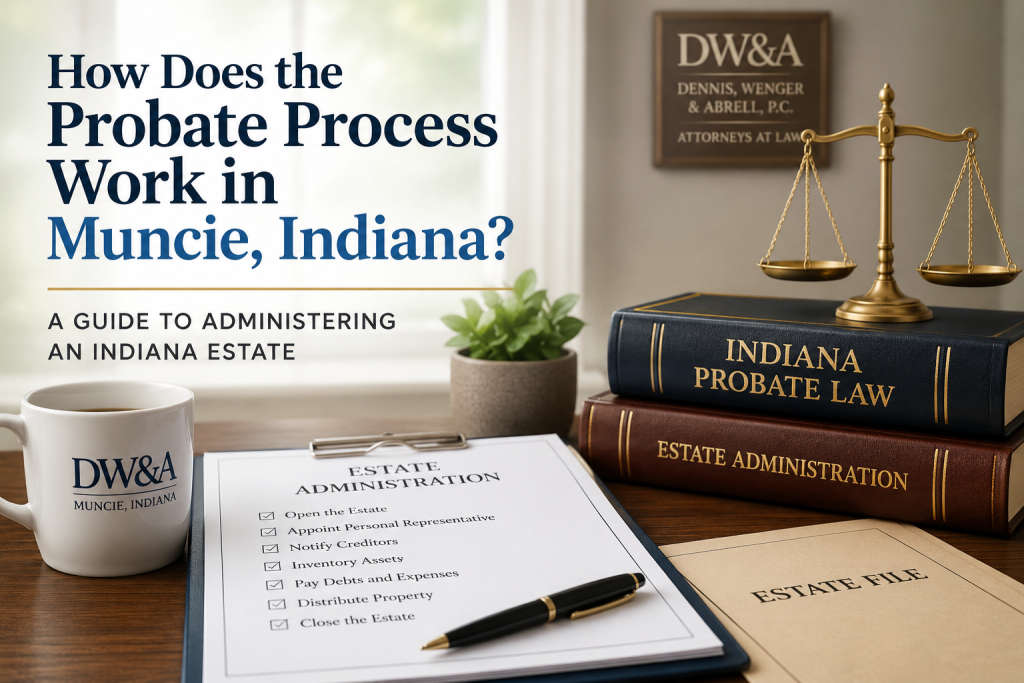
Quick answer: Probate is the legal process used to settle certain parts of a person’s estate after death. It may involve opening an estate with the court, appointing a personal representative, identifying assets, notifying creditors, paying valid debts and expenses, and distributing the remaining property. Not every estate or asset requires probate, so the first step is determining how the property was owned and whether it transfers another way.
When Is Probate Required?
Probate may be needed when someone dies owning property in their name alone without a joint owner, beneficiary, or trust arrangement.
Assets with a named beneficiary, survivorship rights, or trust ownership may pass outside probate. Some smaller estates may also qualify for a simpler process instead of full estate administration.
A probate attorney can review how the assets are titled and help determine which process may apply. This is different from estate planning, which is completed during a person’s lifetime to prepare for future incapacity or death.
Opening the Estate
If probate is required, documents are filed with the appropriate Indiana court. When the person who died lived in Muncie, the estate will generally be handled through the appropriate court in Delaware County.
If there is a will, it is submitted to the court. The court may appoint the executor named in the will. If there is no will, the court may appoint an administrator. Indiana commonly uses the term personal representative for the person responsible for managing the estate.
One of the most useful first steps is gathering the original will, death certificate, recent account statements, deeds, vehicle titles, bills, tax records, and information about possible beneficiaries. A clear list of known assets and debts can make the early stages easier to manage.
What Does the Personal Representative Do?
The personal representative gathers and protects estate property, keeps financial records, communicates with heirs, addresses creditor claims, pays approved expenses, and distributes property when the estate is ready.
This may involve locating bank accounts, real estate, vehicles, investments, business interests, and personal belongings. Estate money should be kept separate from personal funds, and all payments and transfers should be documented.
The personal representative should also avoid making promises about inheritances too early. Unexpected debts, taxes, expenses, or ownership questions may need to be resolved before property can be distributed.
Notifying Creditors and Addressing Debts
Creditors must be given an opportunity to submit claims against the estate. Claims may involve medical bills, credit cards, taxes, loans, funeral costs, or other unpaid obligations.
The personal representative should not automatically pay every request. Claims should be reviewed to determine whether they are valid, timely, and payable from estate assets.
Final distributions generally should not be made until valid debts, taxes, expenses, and other estate obligations have been addressed. Paying beneficiaries too soon may create problems if the estate later needs money to cover an approved claim.
Identifying and Distributing Property
The personal representative must determine which assets belong to the probate estate and what they are worth. This may require reviewing deeds, titles, account statements, tax records, insurance documents, and business records.
It is also important to separate probate assets from property that transfers directly to a joint owner, beneficiary, or trust.
Once the estate’s obligations have been resolved, the remaining property can be distributed. A valid will generally explains who should receive the property. If there is no will, Indiana inheritance laws determine who receives probate assets.
Family members should not remove, sell, or divide property before the personal representative determines who owns it and whether it may be needed to pay estate expenses.
Closing the Estate
Before the estate is closed, the personal representative may need to provide an accounting showing the assets received, expenses paid, claims resolved, and property distributed.
The required closing documents are then filed with the court. Once the necessary duties have been completed and the court accepts the filings, the estate can be closed.
There is no single timeline for every estate. Real estate sales, disputed claims, tax concerns, missing records, business interests, or family disagreements may cause the process to take longer.
Frequently Asked Questions
No. Some assets transfer through beneficiary designations, joint ownership, or trusts. Certain smaller estates may also qualify for a simplified process.
Indiana law determines which relatives receive the probate property. The result depends on the person’s family relationships at the time of death.
Your lawyer will likely ask about your marriage, children, income, property, debts, current living arrangements, and any urgent concerns. Clear and honest answers can make the meeting more productive.
Helpful documents may include the original will, death certificate, deeds, vehicle titles, account statements, insurance information, tax returns, bills, and a list of possible heirs or beneficiaries.
A probate lawyer can help determine whether probate is necessary, prepare documents to open the estate, explain the personal representative’s duties, review creditor claims, assist with property transfers, and prepare the estate for closing.
Ask a Muncie Probate Attorney About Estate Administration
Probate can involve court filings, creditor deadlines, property transfers, and detailed financial records. Legal guidance can help the personal representative understand the process, protect estate property, and avoid preventable delays or mistakes.
David J. Karnes is a partner with Dennis, Wenger & Abrell, P.C. in Muncie. His practice includes probate and estate administration, along with estate planning, wills, and trusts.
Learn more about DW&A’s estate planning and administration services or contact DW&A to ask a Muncie probate attorney about administering an Indiana estate.
This article provides general information and is not legal advice. Probate requirements depend on the estate’s assets, debts, documents, beneficiaries, and other circumstances.