
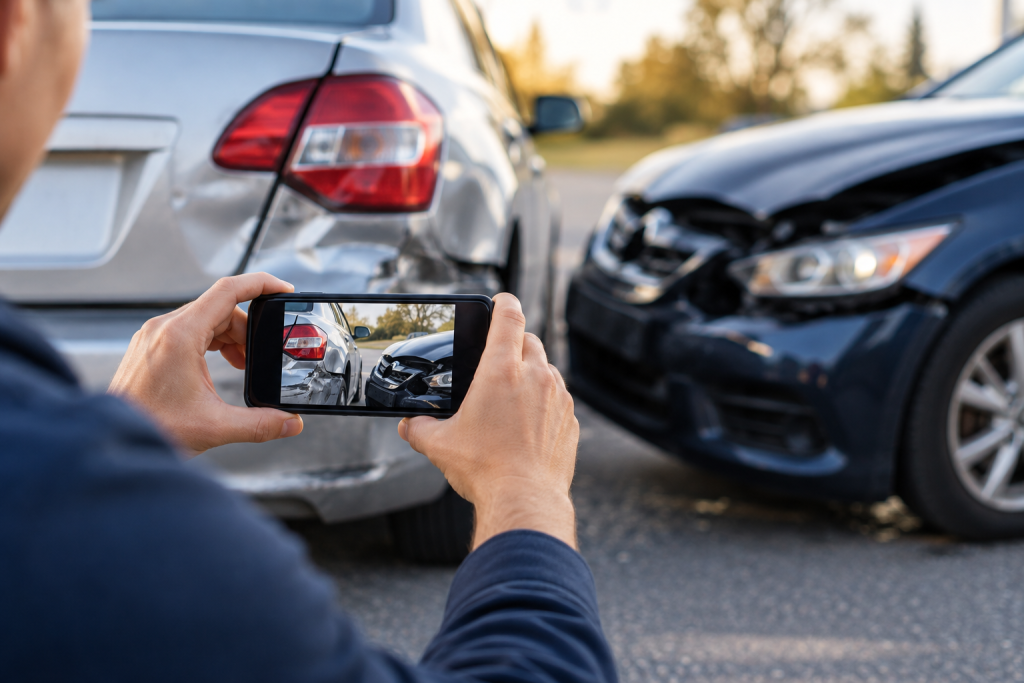
Quick Answer: Yes. You may still be able to pursue a car accident claim in Indiana even if no police report was created, but that does not mean every accident can legally go unreported. Indiana reporting rules apply to certain crashes involving injury, death, or significant property damage. If no report exists, photos, video, witness information, vehicle damage, medical records, and insurance documents may become especially important.
Why Is a Police Report Helpful?
A police report creates an official record of the crash. It may include the date, time, location, drivers involved, witnesses, reported injuries, and road conditions.
The report can help an insurance company or attorney understand what happened, but it does not automatically decide who was legally at fault. The officer may not have seen the crash happen, so other evidence can still matter.
When Does an Indiana Car Accident Need to Be Reported?
Indiana law requires law enforcement to investigate crashes involving an injury or death, or apparent property damage of at least $1,000. Indiana State Police also instructs officers to complete crash reports for qualifying accidents on public trafficways and certain private property open to the public.
This is different from asking whether you can still have an injury claim when no report was made. A missing report does not automatically end a claim, but it can make proving what happened more difficult.
What Evidence Can Help Without a Police Report?
If there is no report, other evidence may help show how the crash happened and how you were affected.
Photos and videos can document vehicle damage, the accident scene, road conditions, traffic signs, lane markings, and visible injuries. Nearby homes, businesses, or parking areas may also have camera footage, although recordings may not be kept for long.
Witnesses can be especially helpful when the drivers disagree. Keep the name and contact information of anyone who saw the crash.
Medical records can show when symptoms began, what treatment you received, and whether more care is needed. Repair estimates, invoices, insurance emails, claim numbers, and other records can also help document the accident and its financial effects.
What If the Other Driver or Insurance Company Disputes the Claim?
A claim can become harder when there is no police report and the drivers give different versions of what happened. An insurance company may ask more questions or challenge who caused the crash.
Photos, video, witness statements, vehicle damage, medical records, and other evidence may help support your version of events. Be accurate when speaking with an insurance company. If you do not remember something, it is better to say so than to guess.
If you were injured and fault is being disputed, speaking with a personal injury attorney may help you understand what evidence could matter.
What If You Did Not Feel Hurt Right Away?
Some injuries become more noticeable hours or days after a crash. You may feel sore later that day or notice pain the next morning.
If symptoms appear, seek appropriate medical care and explain when the crash happened and when your symptoms began. The fact that an injury was not documented at the scene does not automatically mean it is unrelated to the accident.
What Should You Do If No Police Report Was Made?
If the accident has already happened, focus on preserving the information that is still available. Save photos, videos, medical records, repair documents, insurance information, and witness contacts. Write down what you remember about the crash while the details are still fresh.
You can also check whether a report was created even if you never received a copy. Indiana State Police maintains the state’s central repository for vehicle crash reports.
If nearby cameras may have recorded the accident, identifying them early may also be important because footage can be overwritten or deleted.
When Should You Talk With a Car Accident Lawyer?
Legal help may be useful if you were injured, the other driver denies fault, the insurance company disputes the claim, you need ongoing medical care, you missed work, insurance coverage is unclear, or you received a settlement offer before your treatment was finished.
A lawyer can review the evidence that is available and determine whether additional records, witnesses, or other information may still be found.
Frequently Asked Questions
Not always. A police report can help document the crash, but other evidence may also support the claim. Indiana reporting requirements can still apply to certain accidents involving injury, death, or qualifying property damage.
Possibly. Photos, videos, witness statements, vehicle damage, medical records, and other evidence may help show how the accident happened.
A report may still have been filed. Keep any report number or information provided by the officer and check with the appropriate law-enforcement agency.
Save the evidence you still have and write down what you remember. If you were injured, fault is disputed, or you are unsure whether the crash should have been reported, consider getting legal advice.
The lack of a police report may make the claim harder to investigate, but it does not automatically mean the claim will be denied. The insurer may still review photos, witness statements, medical records, vehicle damage, and other evidence.
Injured in an Indiana Car Accident Without a Police Report?
If you were injured in an Indiana car accident and no police report was made, the available evidence may still help show what happened and how you were affected.
Dennis, Wenger & Abrell, P.C. handles personal injury and wrongful death matters. If you were injured in a crash and want to understand your options, contact Dennis, Wenger & Abrell, P.C. to discuss your situation.
This article is for general informational purposes only and is not legal advice. The law and deadlines that apply can depend on the facts of a particular case.